






Royal Borough of Kensington and Chelsea rules for waste disposal
Posted on 07/07/2026
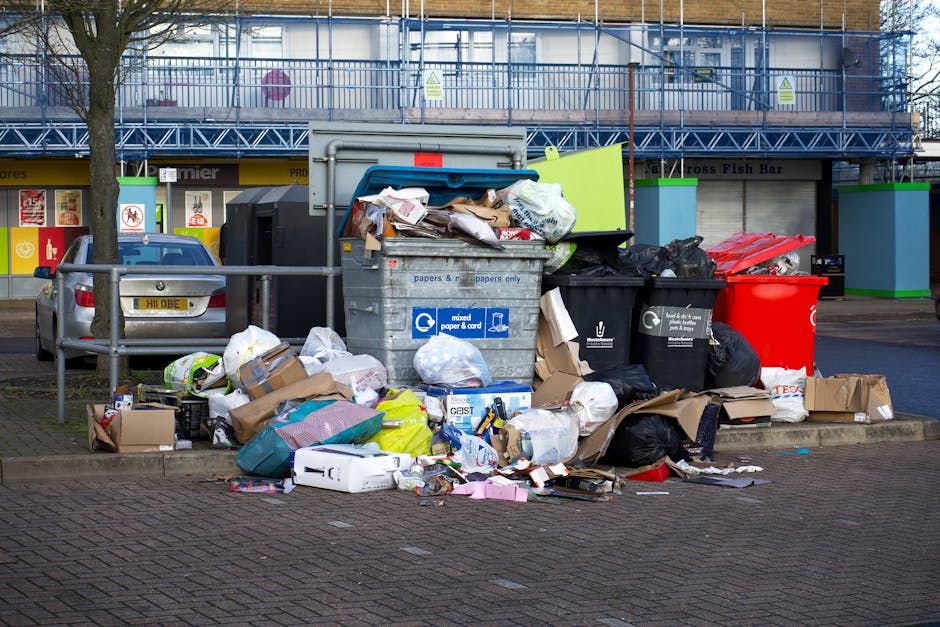
Royal Borough of Kensington and Chelsea rules for waste disposal: a practical local guide
If you live, manage property, or run a business in west London, the Royal Borough of Kensington and Chelsea rules for waste disposal can feel a bit stricter than you expected. That is not unusual. In a borough with tight streets, shared mews, mansion blocks, busy high streets, and limited storage space, rubbish has to be handled carefully or it quickly becomes a nuisance.
This guide breaks the rules down in plain English. You will learn what the borough expects, what usually goes wrong, how to dispose of waste properly, and when a professional collection can save time and stress. We will also look at the practical side: bulky items, garden waste, builders' debris, recycling, access issues, and those awkward "where on earth do I put this?" moments that happen in real life. Let's face it, waste disposal is rarely glamorous. But doing it properly keeps your property cleaner, avoids problems, and makes day-to-day life a lot easier.
Why Royal Borough of Kensington and Chelsea rules for waste disposal Matters
Waste rules matter because rubbish is not just an aesthetic issue. In Kensington and Chelsea, poor disposal can create blocked pavements, smells, pests, fly-tipping risks, missed collections, neighbour complaints, and in some cases enforcement action. In an area with high footfall and dense housing, even one untidy pile can become everyone's problem very quickly.
Another reason is consistency. Many properties in the borough are in shared buildings or managed estates, where one resident's "temporary" pile of bags turns into a recurring headache for everyone else. If you have ever walked past a neat townhouse in the morning and seen bin bags, cardboard, and a broken chair spread around the side return by evening, you already know how fast it can unravel.
The rules also help you separate ordinary household waste from items that need special handling. That includes electricals, garden cuttings, DIY rubble, mattresses, bulky furniture, and anything hazardous. Treating everything as general rubbish is where people run into trouble.
Key takeaway: the borough's waste rules are less about making life difficult and more about keeping streets safe, collections orderly, and disposal environmentally sensible.
How Royal Borough of Kensington and Chelsea rules for waste disposal Works
At a practical level, waste disposal in the borough works by separating different waste streams and making sure each one is presented or booked correctly. Household rubbish goes one way, recycling another, and special items often need a separate arrangement. That sounds straightforward, but the detail matters.
Most households rely on regular refuse and recycling collection points or scheduled collections. The usual expectation is simple: sort your waste properly, place it out in the correct containers or sacks, and avoid leaving loose items where they can blow away or attract attention. If a property uses shared bins, you also need to respect the building's rules, because one overfilled bin can affect everyone.
For larger or non-standard items, the borough may expect you to use a bulky waste route, a recycling facility, or a licensed waste carrier. This is where many residents get stuck. A sofa, a wardrobe, or bags of builder's rubble are not the same as everyday kitchen waste. To be fair, that distinction is obvious once you know it, but it is easy to miss in the rush of a clear-out.
If you are managing a renovation, end-of-tenancy clearance, or garden tidy-up, it can help to think in categories:
- Household waste: food waste, mixed rubbish, packaging, non-recyclable items.
- Recycling: clean paper, cardboard, glass, metal, and suitable plastics where accepted.
- Bulky waste: furniture, mattresses, large broken items.
- Garden waste: grass cuttings, branches, soil in limited amounts, plant material.
- DIY and builders' waste: plasterboard, tiles, timber, rubble, fittings.
- Special or hazardous waste: items that require separate handling and should never be mixed casually with general rubbish.
If your property has access challenges, you may also need to plan how bins or sacks are moved to the collection point. That is especially relevant for narrow entrances, basement flats, mews houses, or streets where parking is a constant puzzle. Our guide to rubbish removal on tight-access streets in Kensington explains why access planning matters more than people think.
Key Benefits and Practical Advantages
Following the borough's waste rules gives you more than compliance. It makes day-to-day life smoother. A tidy, predictable waste routine saves time, cuts down on clutter, and helps prevent those awkward "someone left this in the hallway" situations that nobody enjoys.
Here are the main practical advantages:
- Cleaner shared spaces: less mess in communal areas, side returns, and pavements.
- Fewer missed collections: correctly presented waste is more likely to be collected without issue.
- Lower fly-tipping risk: proper disposal reduces the temptation to leave items "for later."
- Better recycling outcomes: separating materials properly improves what can be reused.
- Less stress during clear-outs: move items once, not three times.
- Reduced neighbour friction: especially important in shared buildings and terraces.
There is also a trust factor. If you are a landlord, tenant, managing agent, or business owner, good waste practice says something about how the property is run. It signals care, not just tidiness. And in Kensington and Chelsea, where standards tend to be noticed quickly, that matters more than people admit.
If you need support beyond everyday household disposal, our services overview gives a practical sense of the clearance options available for different situations.
Who This Is For and When It Makes Sense
This topic is relevant to more people than you might expect. Yes, it matters to homeowners. But it also matters to renters, student households, landlords, estate managers, office teams, shop owners, builders, and anyone dealing with a property reset.
You will especially need to pay attention if you are:
- moving house or clearing a flat before handover
- renovating a kitchen, bathroom, or whole property
- dealing with a build-up of bags, boxes, and old furniture
- managing garden cuttings after a seasonal tidy-up
- running an office move or downsizing a workspace
- trying to avoid overflow in a shared bin store
- preparing for an event or post-event clean-up
A quick example: a tenant moving out of a South Kensington flat might have a few bags, a broken desk chair, some cardboard, and an old mattress. Each item may need a different approach. Throw them all together and you are suddenly dealing with clutter, access issues, and possible non-compliance. Handle them separately, and the whole job becomes manageable.
If you are working around social plans, seasonal visitors, or a busy residential building, timing matters too. There is always that one period when the bins seem full before anyone has even started the week. A bit annoying, honestly.
Step-by-Step Guidance
If you want the simplest way to stay on the right side of the borough's waste expectations, follow this sequence. It is not fancy, but it works.
- Identify the waste type. Separate household rubbish, recycling, garden waste, bulky items, and anything hazardous or awkward.
- Check what can be reused, donated, or repaired. A usable table does not need to go straight to disposal if another route makes more sense.
- Break items down where practical. Flat-pack cardboard, dismantled furniture, and bagged materials are easier to handle than bulky single pieces.
- Keep recyclables clean and dry. Dirty packaging often becomes less recyclable in practice.
- Store waste securely until collection day. Avoid leaving items in shared hallways, front steps, or pavements.
- Arrange the correct disposal route. Use the appropriate council collection path or a licensed removal service when the waste is too much for normal pickup.
- Make access easy. If there are gates, timed entry points, parking limits, or concierge rules, sort them in advance.
- Confirm what is included. If you are using a contractor, be clear on loading, lifting, recycling, and disposal.
For example, if you are clearing a cluttered office in Chelsea, it is often better to sort paper, electronics, furniture, and mixed waste into separate groups before collection day. That small bit of prep can shave a surprising amount of time off the job.
And yes, it really can be that simple. The hard part is usually not the disposal itself, but the deciding.
Expert Tips for Better Results
After dealing with enough clear-outs, one thing becomes obvious: the best waste jobs are planned in advance, even if only slightly. Here are the habits that make the biggest difference.
- Label piles before collection day. It helps everyone on site know what goes where.
- Take photos of bulky items. Useful for quotes and for checking access before arrival.
- Use sturdy bags and sealed boxes. Loose rubbish is harder to move and easier to spill.
- Keep heavier items separate. Don't bury bricks under soft waste and expect a smooth handover.
- Plan around school runs, loading restrictions, and resident peak times. In Kensington and Chelsea, a "quick pickup" can turn into a slow shuffle if timing is poor.
- Ask about recycling handling. A good local waste firm should explain how materials are sorted, not hide behind vague promises.
If your waste has come from a garden tidy-up, it can also help to separate compostable green waste from soil, pots, and broken tools. Our article on garden waste removal and composting in Kensington Palace gives a useful feel for that process.
One more thing: if you are unsure whether something is recyclable or should be treated as general rubbish, do not guess wildly. A quick check beats having to sort it all again later. Been there, regretted it.

Common Mistakes to Avoid
Most waste problems in the borough come from a handful of familiar mistakes. None of them are dramatic on their own, but together they create delays, extra cost, and avoidable hassle.
- Leaving waste out too early. It can block footways or attract complaints.
- Mixing waste types. Recycling, general waste, and bulky items often need different handling.
- Ignoring access issues. If the van cannot stop nearby or the lift is tiny, the job will be harder than expected.
- Booking the wrong service. A small household collection is not the same as a builders' waste load.
- Underestimating volume. Ten bags always look more manageable in a photo than in a hallway.
- Assuming everything can go in the nearest bin store. Shared bins have limits, and overflowing them creates friction fast.
There is another subtle mistake too: treating waste as an afterthought. In a busy borough, waste planning should happen alongside moving, cleaning, renovation, or trading plans, not at the end when everyone is tired.
If you want to reduce surprises, the article on avoiding hidden fees with local rubbish removal in Kensington is worth a look. It focuses on the questions people often forget to ask.
Tools, Resources and Recommendations
You do not need a giant toolkit to manage waste properly, but a few simple items and habits help a lot. Think practical rather than elaborate.
- Heavy-duty bin bags: better for awkward rubbish and less likely to split.
- Marker pens and labels: handy for separating recycling, reuse, and disposal piles.
- Storage boxes: useful for books, paperwork, and reusable items during clear-outs.
- Dust sheets and gloves: especially useful during loft, cellar, or garden jobs.
- Measurement notes: rough dimensions help when arranging bulky collection.
- Photo records: ideal if you need to compare quotes or confirm what needs removing.
For residents and businesses wanting a broader view of ethical disposal and responsible sorting, the page on recycling and sustainability is a useful companion read. It helps frame the bigger picture without getting lost in jargon.
If you are dealing with a large clear-out, it may also be worth browsing house clearance in Kensington, office clearance in Kensington, or builders' waste disposal in Kensington depending on the situation. Different waste streams, different expectations. Simple as that.
Law, Compliance, Standards, or Best Practice
Because waste disposal can involve legal and environmental responsibilities, it is sensible to approach it carefully. You do not need to become a legal expert, but you should understand the broad principles.
In the UK, waste should be handled by people and businesses that are properly authorised to collect and transport it. That means you should be cautious about handing waste to an unknown operator or someone offering a suspiciously cheap "we'll take it off your hands" deal. If you cannot trace where the waste is going, that is a red flag. Not every bargain is a bargain.
Best practice also includes:
- keeping waste separated where practical
- making sure hazardous items are handled with extra care
- not blocking pavements, fire exits, or shared access routes
- using containers and collection arrangements correctly
- maintaining records where a business or landlord has a duty to do so
If you are a business, compliance expectations are usually even higher. Staff should know where waste goes, what must never be mixed, and how to report issues like broken bins or unsafe storage. For property managers, clear instructions can prevent the usual end-of-week chaos. You know the one. Bags propped by the door, someone saying "I thought it was being dealt with," and nobody quite owning it.
For broader trust and operational context, it can help to review insurance and safety information and the site's terms and conditions, especially if you are arranging a one-off collection or a larger clearance.
Options, Methods, or Comparison Table
There is no single best disposal method for every situation. The right choice depends on volume, item type, access, timing, and whether you are dealing with household, garden, office, or builders' waste.
| Method | Best for | Strengths | Trade-offs |
|---|---|---|---|
| Regular council collection | Everyday household waste and standard recycling | Simple, familiar, suitable for routine use | Not ideal for bulky or unusual items |
| Bulky waste route | Large furniture, mattresses, single large items | Useful for bigger household disposals | Usually requires planning and correct presentation |
| Licensed waste removal service | Mixed clear-outs, access-limited properties, urgent jobs | Fast, flexible, handles lifting and loading | Usually higher cost than routine disposal |
| Reusable / donation route | Items in good condition | Reduces waste and extends product life | Not suitable for damaged or unsafe items |
| Special handling | Hazardous or regulated waste | Safer and more compliant | Needs extra care and the right provider |
For busy households and property managers, a licensed collection is often the most convenient route when time, access, or quantity become a problem. If that sounds familiar, the page on rubbish removal in Kensington is a sensible starting point.
Case Study or Real-World Example
Here is a realistic example from a typical Kensington clear-out. A small rental flat needs to be handed back at short notice. The tenants have a broken bookcase, a mattress, three black bags of mixed waste, a stack of flattened cardboard, and a couple of old kitchen items. The building has a narrow entrance, no convenient lift access for larger items, and a busy street outside with limited stopping space.
If they try to manage this piecemeal, the process drags on. Bags get moved from room to hall, then from hall to pavement, then back inside because collection timing changes. Everyone gets tired. The landlord gets nervous. And there is that familiar feeling of being one item short of a complete solution.
A better approach is to sort the waste into clear groups, remove reusable items first, measure the bulky pieces, and arrange a collection that matches the access conditions. In a case like that, a flexible service can save several trips and reduce the chance of leaving items in the wrong place overnight.
That same logic applies to office clearances and student rooms too. Smaller spaces create proportionally bigger clutter. Funny how that works, isn't it?
For related access challenges, see common access problems for Chelsea Harbour rubbish collection and South Kensington student room rubbish pickup tips.
Practical Checklist
Use this checklist before disposal day. It is intentionally simple, because the simple version is the one people actually use.
- Have I identified each waste type correctly?
- Can any items be reused, donated, or repaired?
- Have I separated recycling from general waste?
- Are bulky items measured and easy to describe?
- Is access clear for collection, loading, or bin presentation?
- Are pathways, hallways, and fire exits kept clear?
- Have I checked whether anything needs special handling?
- Do I know the collection time or service window?
- Have I confirmed what is included in the service?
- Is there a backup plan if the job runs late or access changes?
If you are organising a larger disposal and want to compare options, the pricing and quotes page can help you think through scope before you book. And if you simply need a broader view of the company and how it works, about us is there for context.
Conclusion
The Royal Borough of Kensington and Chelsea rules for waste disposal are really about order, safety, and practicality. Once you understand the basics, they stop feeling restrictive and start making sense. Sort waste properly, use the right route for the right item, and plan ahead for access and timing. That alone prevents most problems.
Whether you are clearing a flat, tidying a garden, emptying an office, or dealing with a renovation, the key is to match the waste to the method. Do that, and the job becomes much less stressful. Ignore it, and you usually end up with extra work, blocked space, or a pile that grows when nobody is looking.
If you are facing a bigger clear-out or want a smoother route for awkward items, it is worth checking how a local, experienced team can help with the practical side of disposal.
Get a free quote today and see how much you can save.
Sometimes the best waste plan is simply the one that lets you breathe a little easier by the end of the day.



 Tipper Van - Waste Clearance and Rubbish Removal Prices in Kensington, W8
 Luton Van - Waste Clearance and Rubbish Removal Prices in Kensington, W8