






Kensington Palace garden waste removal and composting
Posted on 20/05/2026
Kensington Palace Garden Waste Removal and Composting: A Practical Guide for Cleaner, Greener Outdoor Spaces
If you manage a garden near Kensington Palace, even a small one, you'll know how quickly the tidy version of outdoor life turns into a pile of branches, grass clippings, leaves, faded bedding plants, and the odd broken pot. One windy weekend and suddenly it's all there, staring back at you. That's where Kensington Palace garden waste removal and composting becomes more than a housekeeping chore. Done properly, it keeps spaces neat, supports healthier planting, and reduces the amount of green waste that ends up being treated as general rubbish.
This guide explains how garden waste removal and composting works in a Kensington setting, what to do with different kinds of green waste, where the common mistakes happen, and how to choose the most sensible approach for your property. It also covers practical collection, recycling, and disposal options, with a few grounded tips from real-world garden clear-ups that make the job smoother. If you're comparing service options, you may also find our garden waste removal service in Kensington useful alongside our wider recycling and sustainability approach.
Quick take: keep compostable material separate, avoid mixing in contaminated waste, and plan removal before the pile becomes awkward, smelly, or unmanageable. Simple, yes. But it saves time, mess, and a surprising amount of hassle.

Why Kensington Palace garden waste removal and composting Matters
Garden waste might look harmless, but it changes fast. Fresh clippings heat up, wet leaves compact into heavy mats, and prunings can get awkwardly spiky in a hurry. In a place like Kensington, where properties often have limited access, shared paths, or carefully kept courtyards, that matters even more. A light pile of hedge cuttings can turn into a logistics problem if it sits too long in a narrow side return or near a communal entrance.
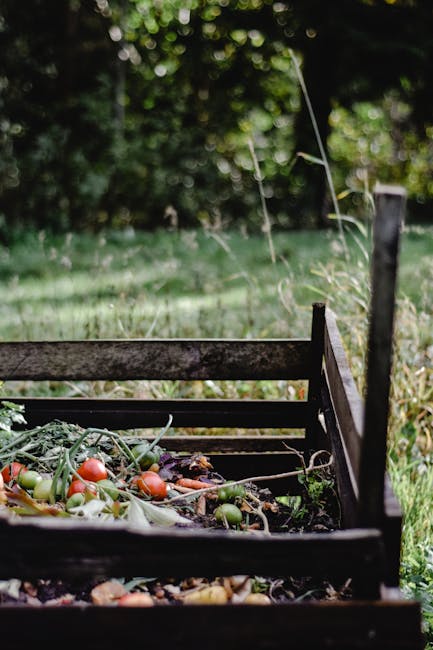
Composting matters because it gives clean organic waste a second life. Rather than treating every leaf, stem, and cutting as something to throw away, composting converts suitable material into soil improver that supports future planting. That keeps the loop going. Not every garden can compost everything on site, of course, but separating out compostable waste is still a smart starting point.
There's also a visual and practical reason. Tidy exterior spaces make patios usable again, reduce trip hazards, and stop pests from finding easy hiding places. Anyone who has ever walked into a damp heap of autumn leaves on a Monday morning will know the smell. Not exactly inspiring.
For homeowners planning larger outdoor clear-ups, it may help to look at broader waste clearance in Kensington as well, especially if the job includes mixed rubbish alongside green waste.
How Kensington Palace garden waste removal and composting Works
In simple terms, the process has two parts: collection/removal and composting or recycling. The cleaner the waste stream, the better the outcome.
1. Sort the waste at source
Start by separating green waste from anything that doesn't belong in a compost pile or green waste container. Typical compostable garden waste includes grass cuttings, weeds without seed heads, hedge trimmings, leaves, small branches, and dead flowers. If the material is woody, bulky, or full of soil, it may still be suitable for specialist green waste processing, but it usually needs different handling than soft clippings.
2. Keep contamination out
Plastic plant labels, twine, bag ties, stones, broken ceramics, old compost bags, and household rubbish should be removed. A few stray bits can be sorted, but contamination slows everything down and can make an otherwise recyclable load unsuitable. Truth be told, this is where many good intentions go sideways.
3. Choose on-site composting or off-site removal
If you have space, some waste can be composted in your own garden. That works well for leaves, softer trimmings, and garden cuttings. But if you're dealing with a bigger cut-back, awkward access, or a garden that simply doesn't have room for a compost area, off-site garden waste removal may be the better fit. In those cases, a collection service can remove the waste promptly and send it into the correct recycling stream.
4. Understand the end destination
Compostable green waste is usually processed so it can be turned into compost, mulch, or another recycled organic product. The exact pathway depends on the material and the processing facility, but the guiding principle is the same: keep organic waste separate and clean enough to be recovered properly.
5. Plan the timing
If you've just finished pruning after a mild evening in early spring, don't wait until the pile has soaked through a few rain showers and become a heavy, awkward mass. Garden waste is easier to handle when it's fresh, dry-ish, and easy to sort. That sounds obvious. It is obvious. Yet it's one of those things people often ignore until the driveway is full.
Key Benefits and Practical Advantages
There's a reason this topic keeps coming up with Kensington residents and property managers alike. A good system for garden waste removal and composting brings several practical benefits.
- Cleaner outdoor spaces: Clear paths, patios, and planting areas are safer and more pleasant to use.
- Better garden health: Composting returns organic matter to the soil, which can improve structure over time.
- Less landfill-bound waste: Separating green waste supports more sustainable disposal routes.
- Easier seasonal maintenance: Autumn leaf drops, spring cut-backs, and summer hedge trims become manageable.
- Improved property presentation: Useful for homes, rental properties, and visible front gardens.
- Reduced handling issues: Smaller, correctly sorted loads are easier to lift, stack, and move.
There's a quieter benefit too: a garden feels more enjoyable when the waste isn't hanging around. You notice the difference the moment a border is cleared and the light reaches the soil again. It just feels calmer.
If your project also includes other bulky items from an outside area, such as broken furniture, timber, or renovation leftovers, our rubbish removal in Kensington page explains how mixed loads are typically managed.
Who This Is For and When It Makes Sense
This kind of service is useful for a surprisingly wide group of people.
Homeowners with regular garden maintenance
If you prune shrubs, mow a lawn, or maintain flower beds, garden waste builds up steadily. Even a modest town garden can create more waste than you'd expect once hedges are trimmed or borders are renovated.
Landlords and managing agents
End-of-tenancy outdoor clean-ups often reveal more than a few leaves. Overgrown sections, broken pots, and neglected beds can make a property look tired. A prompt garden clearance helps restore order before viewings or new tenancies.
Busy professionals and elderly residents
Not everyone wants to spend a Saturday dragging green bags through a hallway or down a narrow side passage. If lifting, sorting, and bagging waste feels like too much, a collection-based approach is simply more practical.
Gardeners and landscapers
After planting, cutting back, or redesigning a space, you're often left with a surprising amount of waste. Many professionals prefer a straightforward removal arrangement so they can keep work moving instead of waiting for multiple trips to the tip.
Anyone dealing with seasonal surges
Autumn leaf fall, post-storm branch drop, or a full summer cut-back can overwhelm normal bins. That's when specialist removal makes sense. Not every job needs a truck and a full team, but some do. Better to be honest about it early.
Step-by-Step Guidance
Here's a practical way to handle the job without making it harder than it needs to be.
- Assess the waste type. Separate soft green waste from woody cuttings, roots, soil, and non-organic rubbish.
- Remove contamination. Take out plastic, metal, rubble, pots, wire, and anything else that can spoil the load.
- Decide what stays and what goes. Compost what you can on site if space and time allow; remove the rest.
- Bag or bundle properly. Use manageable bags or ties so the pile can be lifted safely. Overfilled bags are a classic mistake.
- Keep access clear. If your property has a tight side passage or shared entrance, clear the route before collection day.
- Book collection or organise transport. Use a trusted removal service for larger loads, awkward waste, or time-sensitive jobs.
- Prepare the compost area. If composting at home, aim for a balanced mix of green material and dry brown material like shredded cardboard or dry leaves.
- Monitor the pile. Turn it occasionally if needed and keep it from getting too wet or too compacted.
A small note from real life: garden clear-ups tend to go better when there's a bucket or tarp nearby for sorting. You'll make fewer trips, and the whole thing feels less chaotic. Slightly less muddy too, which never hurts.
Expert Tips for Better Results
These are the small adjustments that make a big difference.
Keep compostable waste clean and dry where possible
Wet grass is heavy. Wet leaves stick together. Wet everything is just unpleasant, to be fair. If you can leave cuttings to dry a little before bagging, you'll reduce weight and improve handling.
Chop bulky material down
Long branches and thick stems take up far more room than they should. Cut them into shorter lengths, and the load becomes easier to move and process. It also looks less intimidating when stacked for collection.
Layer your compost properly
If you compost on site, mix green waste with dry brown matter. Too much soft material leads to a soggy pile; too much dry matter means slow decomposition. The sweet spot is somewhere in the middle.
Don't overload bins or sacks
Heavy bags tear. Overstuffed containers are awkward to carry and more likely to spill. A smaller, secure bag is better than a heroic one that fails halfway down the steps.
Use removal for the awkward stuff
Some items are just not worth forcing into a domestic compost system. Thick root balls, invasive clumps, soil-heavy loads, and mixed outdoor rubbish are all better handled through proper garden waste removal or broader clearance support.
Think ahead to the next cut-back
If you know a hedge will need trimming in three weeks, leave room in your schedule now. Garden waste is much easier to manage when there's a plan, even a rough one.
Common Mistakes to Avoid
Garden waste management is straightforward until it isn't. Here's where people commonly trip up.
- Mixing general rubbish with green waste: This is the fastest way to reduce recycling quality.
- Including soil, rubble, or stones in compost loads: These materials usually need separate handling.
- Leaving waste in the open for too long: It gets heavier, smellier, and more difficult to shift.
- Forgetting about access: Narrow hallways, gates, and stairways can make collection slower than expected.
- Assuming all garden waste is compostable at home: Diseased plants, invasive species, and contaminated material are not always suitable.
- Using the wrong container: Thin bags split. Old boxes collapse. A little planning saves a mess.
One common oversight is the hidden stuff under the obvious stuff. A heap of leaves can conceal plastic netting, old ties, or a broken planter. Worth checking. Always worth checking.
Tools, Resources and Recommendations
You don't need a shed full of specialist equipment to manage garden waste well. But the right basics make the process smoother.
Useful tools for small to medium garden jobs
- Heavy-duty garden sacks or reusable containers
- Rake and leaf grabbers
- Secateurs and loppers for cutting branches down to size
- Garden shears for hedge trimmings
- A tarp or sheet for gathering loose waste
- Gloves with decent grip
- A broom or brush for final clean-up
Helpful service options to consider
If your garden waste is mixed with other household or renovation items, you may be better served by a broader clearance option. In that case, the services overview is a useful place to compare what is available, while pricing and quotes helps set expectations before you book.
If the job is more than a tidy-up and starts looking like a full property refresh, the related house clearance service can be relevant too, especially where outdoor waste and unwanted indoor items are being dealt with at the same time.
Practical recommendation
For smaller gardens, compost what you can and remove the rest in one efficient visit. For larger or more awkward spaces, treat the job as a clearance project rather than a simple bin-emptying task. That mindset shift saves time and a fair amount of frustration.
Law, Compliance, Standards, or Best Practice
Garden waste disposal in the UK is generally expected to follow sensible waste-segregation and duty-of-care principles. In plain English, that means keeping waste under control, using the correct disposal route, and not mixing materials in a way that creates avoidable contamination or risk.
For householders, the main concern is practical compliance: do not put restricted or unsuitable materials into green waste streams, and make sure anything collected from your property is handled by a legitimate, appropriate route. For landlords, managing agents, and businesses, the standard is a little stricter because records, access arrangements, and waste handling responsibilities can matter more.
Best practice usually means:
- Separating green waste from general rubbish
- Keeping hazardous or unusual items out of garden waste loads
- Using safe lifting and handling methods
- Confirming where the waste is intended to go
- Choosing a provider that treats safety and responsible disposal seriously
If you want to understand how a provider approaches these issues more broadly, it can help to read the company's insurance and safety information and, for reassurance around values and labour standards, the modern slavery statement. That may sound formal, but it matters. Responsible waste work should feel organised, not improvised.
And one more thing: if access is awkward or the job involves lifting through tight spaces, a bit of planning around routes and timings is not optional. It's the difference between a neat removal and a stressful one. Quite a difference.
Options, Methods, or Comparison Table
There isn't one right answer for every garden. The best method depends on volume, space, access, and how quickly you need the area cleared.
| Method | Best for | Pros | Limitations |
|---|---|---|---|
| Home composting | Leaves, soft cuttings, small routine waste | Low cost, sustainable, useful compost for planting | Needs space, time, and good sorting |
| Bagged garden waste collection | Regular seasonal clear-ups | Simple, tidy, convenient | Requires sorting and manageable load sizes |
| Full garden clearance | Overgrown gardens, renovation jobs, large cut-backs | Fast, thorough, suitable for bulky waste | Less hands-on composting; may include broader disposal needs |
| Mixed waste removal | Gardens with rubbish, broken items, and green waste together | One visit can solve multiple problems | Not all waste can go in the same stream |
If your load includes branches, clippings, and old outdoor clutter all together, a dedicated service may be more practical than trying to separate every item at home. For some properties, that's the sensible, no-drama option.
Case Study or Real-World Example
Picture a Kensington townhouse with a modest back garden and a narrow passage to the rear. After a late spring tidy-up, the owner is left with hedge trimmings, piles of ivy cuttings, several bags of grass, two broken terracotta pots, and a small heap of old canes tied with string.
At first glance, it doesn't look like much. Then you start bagging it. Then you realise the passage is narrower than you remembered. Then it's raining. Of course it is.
The smarter approach in a situation like this is to split the job into two streams: compostable green waste and non-compostable outdoor rubbish. The trimmings and leaves can go into the green waste stream, while the broken pots, canes, and miscellaneous items are handled separately. If the garden has room, some of the finer material can be home-composted. The rest is collected in one planned removal.
The outcome is usually better than a rushed all-in-one clear-out. The garden becomes usable again, the waste is dealt with properly, and there's less risk of contamination or damaged bags leaking through the hallway. Small job, big relief.
Practical Checklist
Use this before your next garden waste clearance or composting session.
- Separate green waste from general rubbish
- Remove plastic, wire, labels, and broken items
- Cut long branches and bulky stems down to size
- Check whether anything is too heavy or wet to bag safely
- Decide what will be composted at home and what will be removed
- Keep access routes clear for collection
- Use strong sacks or containers that won't split
- Store waste in a dry, tidy place until removal day
- Confirm whether mixed waste needs a broader clearance service
- Finish with a sweep-up so the space looks properly reset
Expert summary: The best results come from clean sorting, realistic planning, and choosing the right disposal route for each material. Compost the suitable stuff, remove the rest without delay, and don't let access issues catch you out at the last moment.
Conclusion
Kensington Palace garden waste removal and composting works best when it's treated as part of regular outdoor care rather than a once-a-year emergency. Keep organic waste separate, compost what makes sense, remove what doesn't, and plan around the realities of local access and property layout. That approach keeps gardens healthier, spaces tidier, and the whole job much less stressful.
Whether you're managing a compact courtyard, a private back garden, or a larger outdoor area that needs a proper seasonal reset, the same principles hold true: sort carefully, lift safely, and choose the right method for the waste in front of you. Simple, really. But simple done well is often what makes the biggest difference.
Get a free quote today and see how much you can save.
If you'd like a broader look at how waste services fit together, our about us page and full service range can help you decide what sort of support suits your property. And if access is especially tight, the Kensington High Street rubbish removal guide for tight access is worth a look too.



 Tipper Van - Waste Clearance and Rubbish Removal Prices in Kensington, W8
 Luton Van - Waste Clearance and Rubbish Removal Prices in Kensington, W8